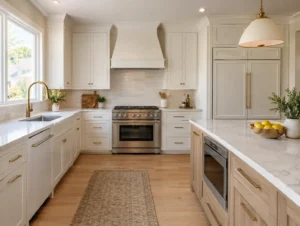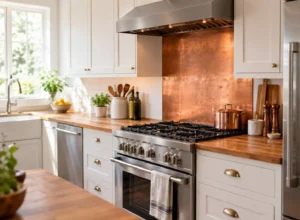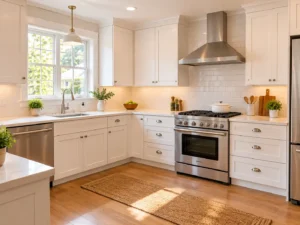
A copper backsplash kitchen update is one of those choices that splits a room in half. Some homeowners fall for it instantly. Others aren’t sure they want a metal that changes color over time behind their stove. If you’re weighing this option for a home in Raleigh, Cary, Apex, Fuquay-Varina, or Holly Springs, you’re right to ask questions before you commit. Copper brings warmth, shine, and a genuinely useful antimicrobial surface to a kitchen, but it also asks for a different kind of care than tile or stainless steel. Here’s an honest look at what a copper backsplash kitchen actually involves, what it costs, and how to decide if it belongs in your home.
What Is a Copper Backsplash, Exactly?
Copper has been used as a building material for thousands of years, prized for durability and for the way it ages instead of simply wearing out. In a kitchen, that history shows up as copper tiles for backsplash installs, full sheet copper panels, or smaller copper accent strips mixed with tile. Copper backsplashes come in two main forms. Sheet copper is a single continuous panel cut to fit the wall behind your range or sink, with no grout lines to clean. Copper tile, often in a subway or hexagon shape, gives you the metal’s warmth with a more traditional installed look. Both fall under the same umbrella: a copper kitchen backsplash designed to handle heat, splashes, and daily wear better than paint or drywall ever could.
The Pros of a Copper Backsplash Kitchen
Homeowners who choose a copper backsplash kitchen usually point to the same handful of reasons.
- It fights bacteria on its own. Copper is the only solid metal registered by the U.S. Environmental Protection Agency for public health claims, based on lab testing showing copper alloy surfaces kill more than 99.9% of MRSA and several other disease-causing bacteria within two hours of contact. A 2013 clinical study published in Infection Control and Hospital Epidemiology found that copper-clad surfaces cut infection rates by more than half compared with standard materials in hospital rooms. A kitchen isn’t an ICU, but the same antimicrobial property works on a backsplash that gets touched and wiped down daily.
- It develops character instead of wearing out. Raw copper darkens and develops a patina over months and years, moving from bright pink-orange to warm browns and, eventually, soft greens if left untreated. Many owners like that a copper backsplash for kitchen use looks a little different every year without ever needing to be replaced.
- It pairs with almost anything. Copper works with white shaker cabinets, dark wood, black steel appliances, and farmhouse sinks alike, so it rarely locks a kitchen into one look for good.
- It’s naturally heat and moisture resistant. Behind a range or near a sink, copper shrugs off exposure that would eventually damage painted drywall.
For homeowners planning full luxury kitchen renovations, a copper accent wall or backsplash is often one of the last, most memorable choices they make.
The Cons of a Copper Backsplash Kitchen
- It shows fingerprints and water spots. Unsealed copper reacts to skin oils and moisture almost immediately, so it needs more frequent wiping than tile or glass.
- The patina isn’t always welcome. The color change some owners love reads as “aged” or “dirty” to others, especially in a bright, modern kitchen.
- It dents. Thinner-gauge copper marks more easily than stainless steel or tile, especially near a cooktop where pots and pans get set down.
- Cost runs higher than standard tile. A copper kitchen backsplash typically costs more per square foot than ceramic or porcelain.
- Sealed finishes need occasional refinishing. A lacquered copper coating wears thin over years of heat exposure and eventually needs to be reapplied.
How Much Does a Copper Backsplash Kitchen Cost?
Pricing depends heavily on whether you choose sheet copper or copper tile, plus the gauge (thickness) and finish.
| Copper Backsplash Type | Material Cost (per sq ft) | Typical Installed Range |
|---|---|---|
| Copper subway tile | $15 – $50 | $25 – $70 |
| Hand-hammered or patinated tile | $30 – $60 | $45 – $90 |
| Sheet copper panel | $25 – $45 | $35 – $65 |
| Standard ceramic tile (for comparison) | $2 – $12 | $10 – $35 |
For context, a typical 30-square-foot backsplash in stock ceramic tile runs $10 to $35 per square foot installed. A comparable copper backsplash for kitchen use, in sheet form, usually lands between $35 and $65 per square foot once labor, sealing, and trim are included. Thicker gauge copper and a hand-hammered finish push costs toward the higher end. Copper is one of the pricier choices you’ll make during a kitchen home improvement project, but it’s also one of the longest-lasting.
Copper Tile or Sheet Copper: Which Fits Your Kitchen?
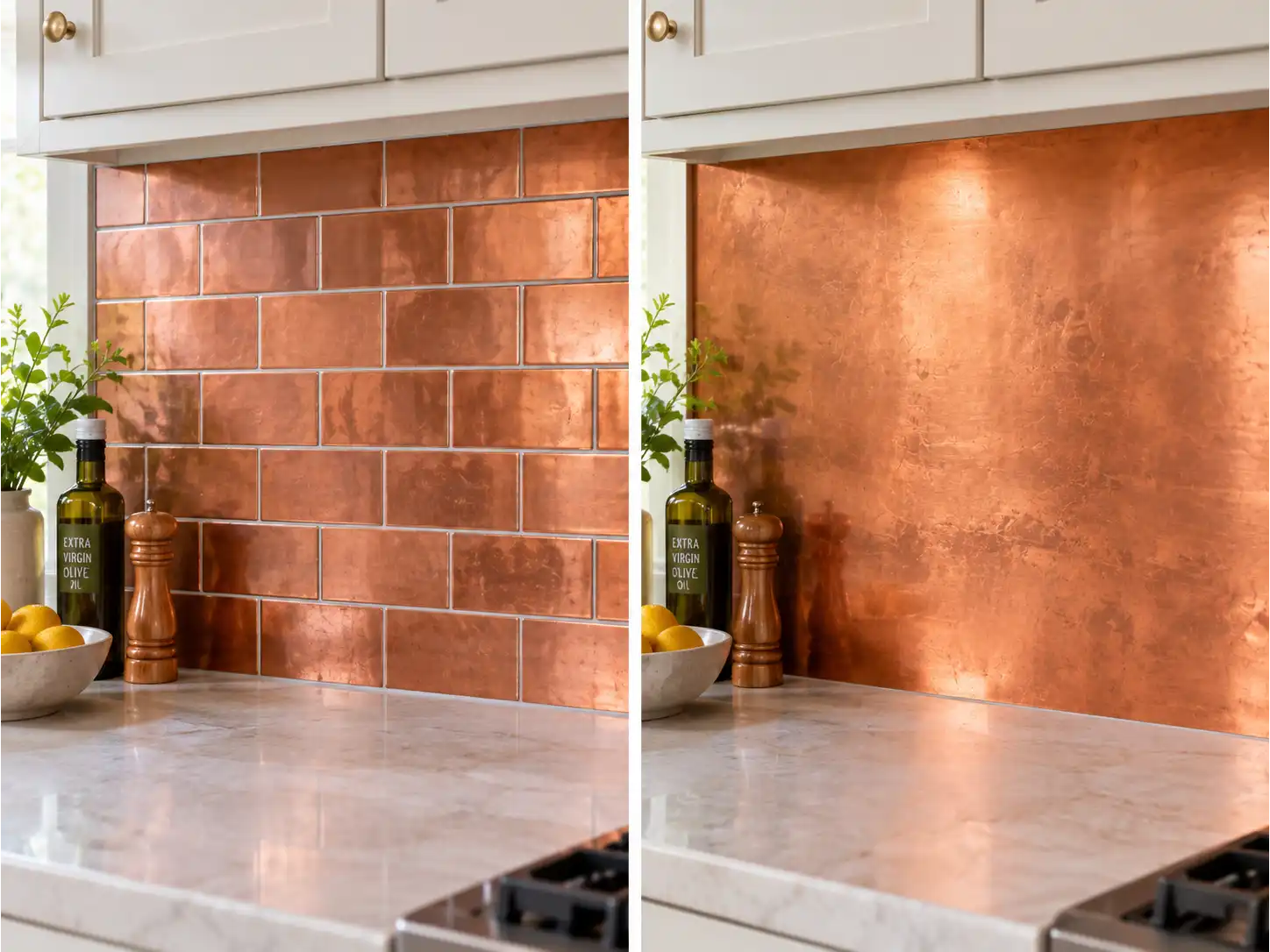
Copper Tile
Copper tiles for backsplash installs give you grout lines and a more traditional layout, which some homeowners prefer because it mirrors tile used elsewhere in the house. Subway, hexagon, and mosaic patterns are the most common shapes.
Sheet Copper
A single sheet skips grout lines entirely, which means less cleaning and a smoother look. It also shows dents and scratches more visibly, since there’s no pattern to break up the surface.
Caring for a Copper Backsplash
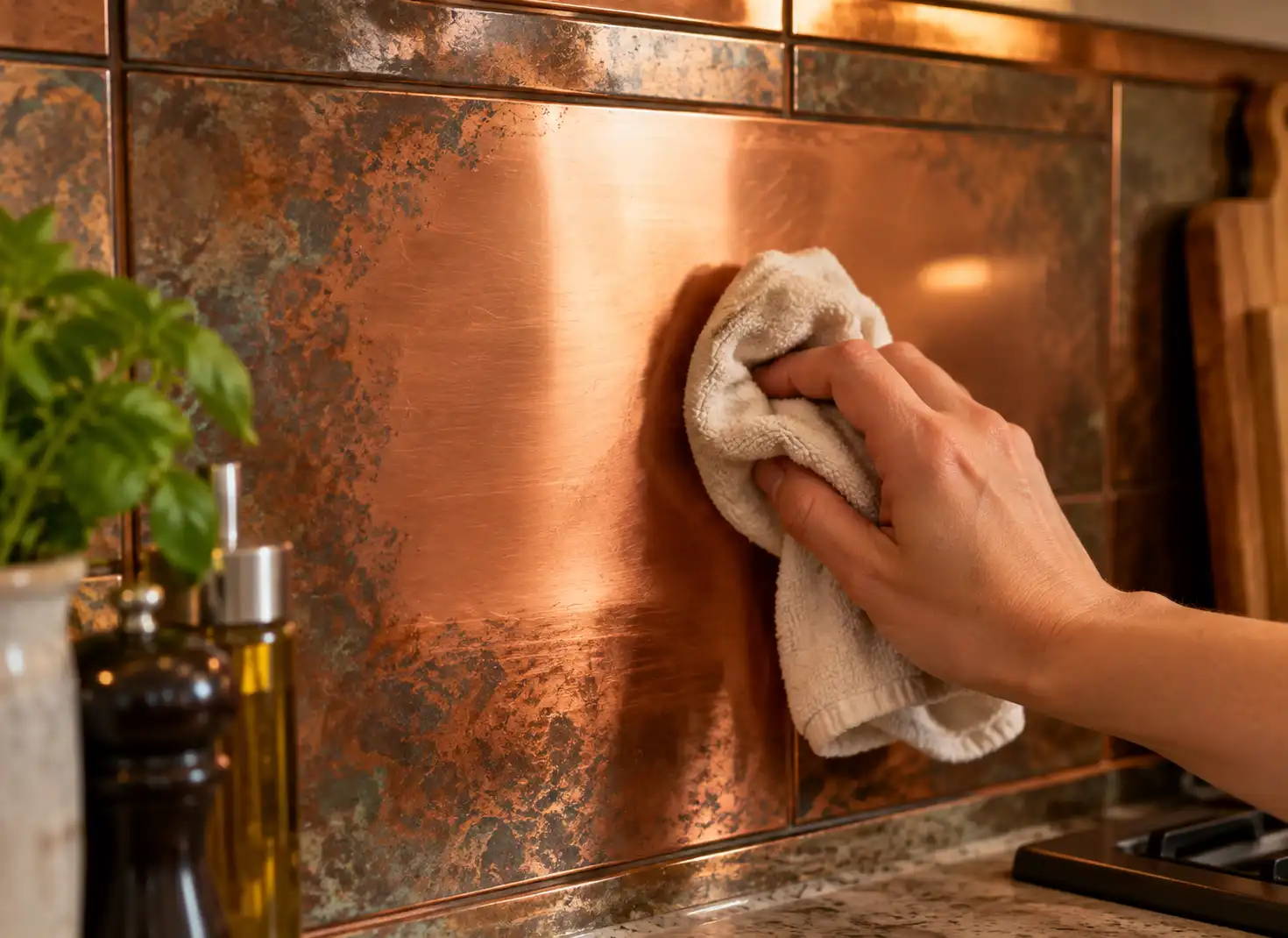 Copper asks for a little more attention than tile, though nothing complicated.
- Wipe down daily with a soft cloth and mild soap to limit water spotting.
- Avoid abrasive scrubbers or acidic cleaners, which strip the finish faster.
- Reapply lacquer every few years if you want to keep the bright, new-penny look.
- Let it patina naturally if you’d rather skip upkeep altogether. A living finish needs less maintenance, not more.
The same patina and antimicrobial qualities make copper backsplashes a popular choice beyond the kitchen, too. Several HomePro clients who started with a backsplash later asked about bathroom remodeling projects that carry the same metal into a vanity backsplash or shower niche.
Is a Copper Backsplash Kitchen Right for You?
A copper backsplash kitchen makes sense if you want a genuinely antimicrobial surface, don’t mind a little extra wiping, and like a finish that changes with time instead of staying frozen in one look. It’s a tougher sell if you want something low-maintenance and always shiny, or if your household does a lot of pot-banging near the cooktop.
Frequently Asked Questions
Thinking About a Copper Backsplash for Your Kitchen?
If you’re weighing a copper backsplash kitchen against tile, glass, or stone, talk it through with someone who installs all of them. HomePro Remodeling works with homeowners across Raleigh, Cary, Apex, Fuquay-Varina, and Holly Springs on kitchen updates big and small, from a single backsplash to a full remodel. Reach out for a free consultation and get a straight answer on what fits your kitchen and your budget.